

Land is stewarded for community benefit
The land trust can hold or control the underlying land so it remains connected to a long-term affordability and neighborhood mission.
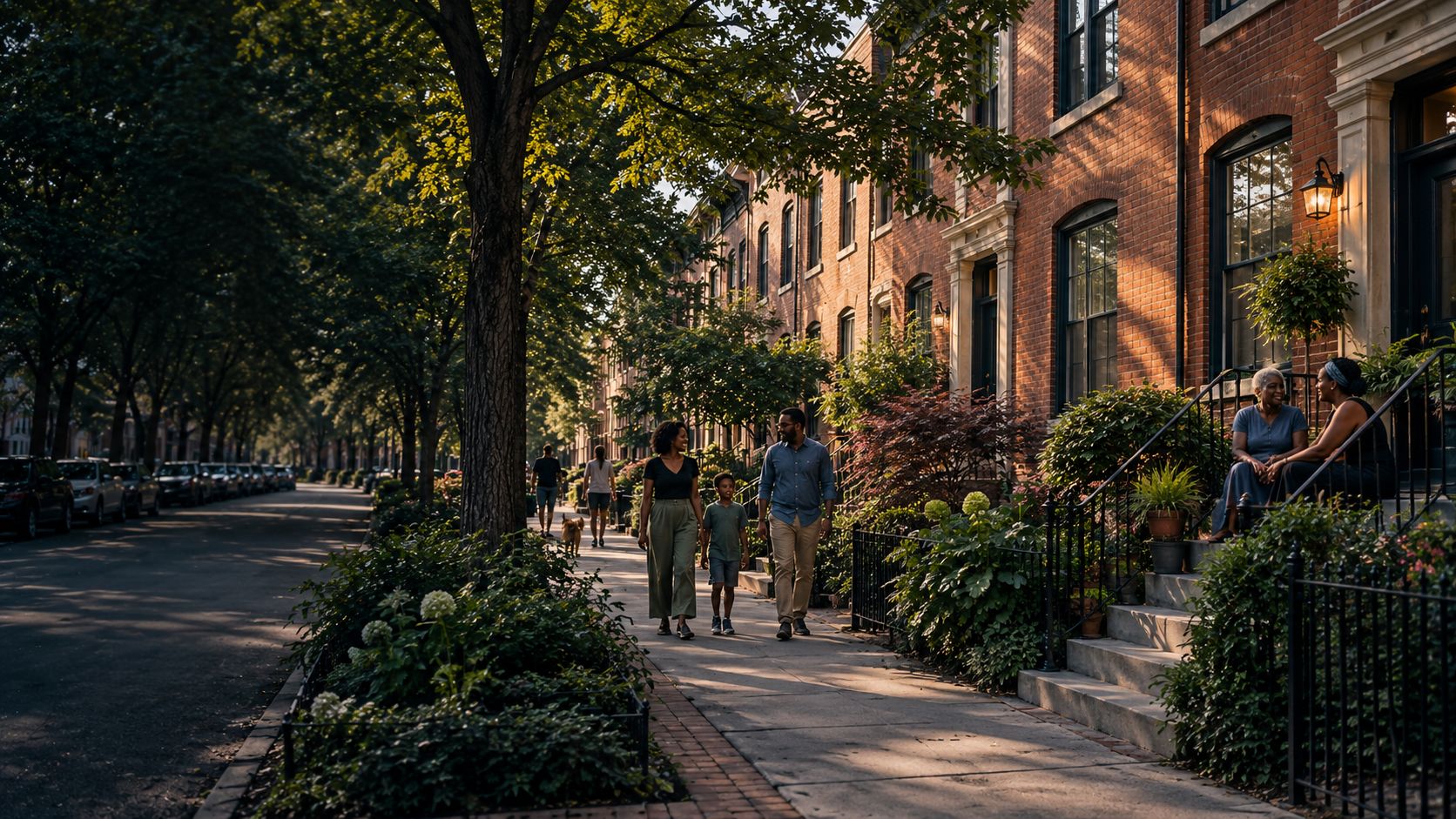
Dominion’s affiliate Community Land Trust advances a long-term stewardship model designed to protect housing affordability, strengthen neighborhood stability and help community benefit endure across generations.
Protect the public and charitable investment in housing over time.
Center stewardship, accountability and neighborhood benefit.
Support homes and residents beyond the initial transaction.
Create structures designed to keep opportunity connected to place.
In a traditional home sale, an affordability subsidy can disappear when the home is resold. A Community Land Trust uses long-term stewardship and legally defined affordability protections to help preserve the benefit for future households.
The exact structure depends on the property, governing documents and program design. The core idea is consistent: pair housing opportunity today with a framework that protects community value tomorrow.
Homes should create stability for families without allowing community investment to disappear after a single transaction.Community Land Trust stewardship principle
Community Land Trusts commonly separate stewardship of the land from ownership or occupancy of the home and use long-term agreements to preserve affordability. Specific Dominion affiliate terms will depend on the applicable property and program.
The land trust can hold or control the underlying land so it remains connected to a long-term affordability and neighborhood mission.
Depending on the program, a qualified household may purchase or occupy the home under terms designed to make the opportunity attainable.
Long-term agreements can limit how value is transferred or resale is structured so future households can also benefit from the original investment.
Program details matter. Eligibility, ground-lease terms, resale formulas, occupancy requirements and stewardship responsibilities vary by CLT and property. This page describes the general model, not a promise of specific terms.

A land trust is not simply a mechanism for acquiring property. Its value comes from the long-term relationship among residents, homes, land and community purpose.
Protect affordability. Keep the original investment working beyond one household or one sale.
Support stability. Build structures that help residents remain rooted and neighborhoods resist displacement pressure.
Care for the asset. Encourage responsible property stewardship and long-term housing quality.
Center community benefit. Keep decisions connected to the people and places the land trust exists to serve.
When charitable, public or philanthropic resources help make a home affordable, a CLT structure is designed to keep that benefit working over the long term.
By separating certain land costs and using long-term affordability terms, the model can help create housing opportunities that conventional market structures may not provide.
Permanent or long-duration affordability can help communities retain access to homes even as surrounding market values change.
Many CLT models balance household wealth-building with a shared obligation to preserve affordability for the next eligible household.
A donated home, multifamily property or parcel of land may create an opportunity for affordable housing or land-trust stewardship. Every proposed gift is reviewed individually for mission fit, title, condition, liabilities, feasibility and responsible long-term use.
A Community Land Trust is a mission-driven organization or structure that stewards land for long-term community benefit. CLTs are commonly used to preserve housing affordability over many years and across successive households.
In many CLT homeownership models, the household owns the home while the land trust retains ownership or long-term control of the land through a ground lease. Other housing structures are possible, so exact terms depend on the program.
CLTs typically use long-term agreements, eligibility rules and resale formulas or other restrictions that preserve affordability when a home changes hands. The specific approach depends on governing documents and applicable law.
Many CLT models are designed to let homeowners build equity while sharing some future appreciation so the next qualified buyer can also access an affordable home. The balance varies by program.
Yes, a potential property gift can be discussed with Dominion. Acceptance and eventual use are subject to review. Visit the Property Donation page to share the basic details and start a conversation.