
01
Residential homes
Single-family homes, rowhomes and other residential real estate may be considered based on location, condition and potential use.
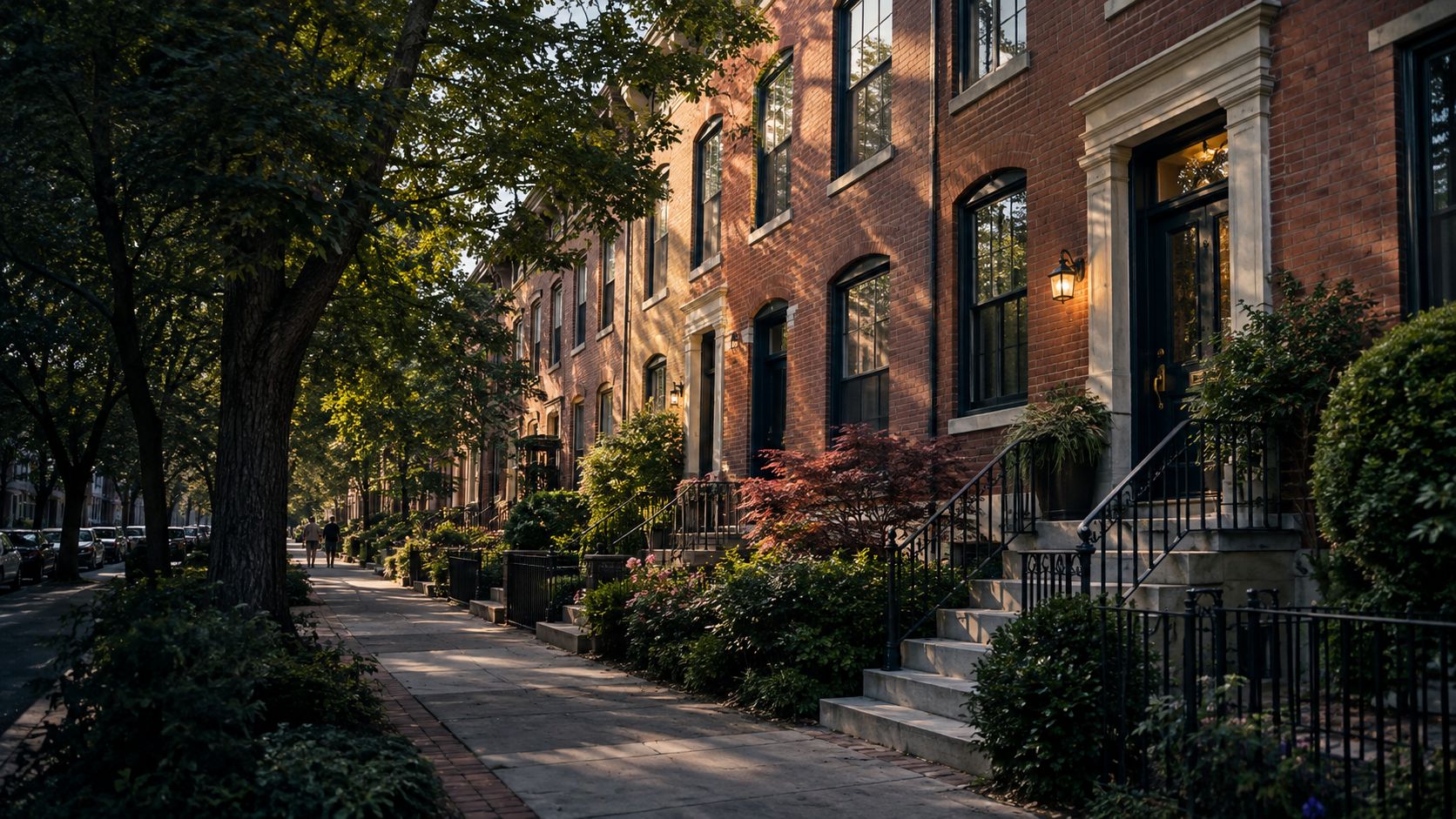
A gift of real estate can transform an asset into housing opportunity, neighborhood investment and a legacy that continues to serve Baltimore communities.
Share the basics before making any commitment.
Property, title, liabilities and mission fit are reviewed carefully.
Your legal, tax and financial advisers should remain part of the conversation.
A home, multifamily building, commercial property or parcel of land may hold more than financial value. In the right circumstances, it can become a resource for affordable housing, community-serving space or reinvestment in Dominion’s work.
Dominion evaluates each proposed gift individually. We encourage prospective donors to involve qualified professional advisers early so the structure, timing and consequences are understood before a transfer is made.
Explore other assets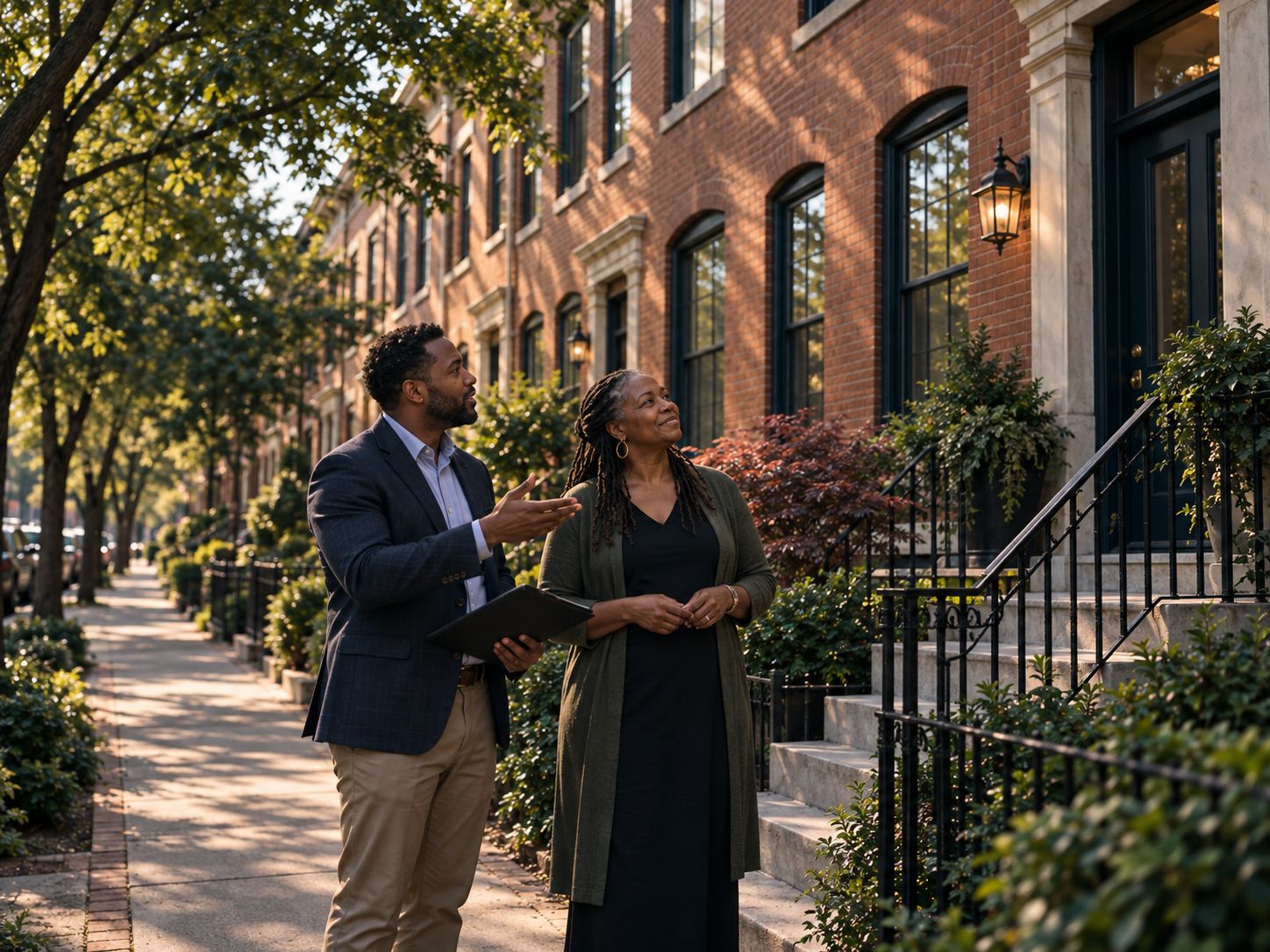
Acceptance is never automatic. These are examples of property categories Dominion may discuss with a prospective donor, subject to review and organizational approval.
Single-family homes, rowhomes and other residential real estate may be considered based on location, condition and potential use.
Apartment buildings and small multifamily properties may create opportunities for housing preservation, redevelopment or mission-aligned disposition.
Commercial and mixed-use property may be evaluated when it can responsibly support community-serving activity or organizational goals.
Vacant land and development parcels may be considered when they align with neighborhood plans, feasibility and Dominion’s mission.
Non-cash gifts require more diligence than an online donation. Starting early gives everyone time to ask the right questions.
Tell us what you are considering, where the property is located and your general timing. An inquiry does not obligate you to make a gift.
Dominion may review title, liens, condition, environmental issues, occupancy, zoning, carrying costs, marketability and potential mission use.
Your attorney, accountant, tax adviser and other professionals can help determine the appropriate structure and documentation for your circumstances.
If the gift is accepted and all parties choose to proceed, the transfer is completed through the appropriate legal and closing process.
The ultimate use depends on the property and Dominion’s needs at the time of acceptance. A gift may be held, redeveloped, used directly, transferred to an affiliate or partner, or sold so proceeds can advance charitable work.
Support the creation or preservation of quality, attainable homes and housing resources.
Create room for programs, services, entrepreneurship, gathering and neighborhood connection.
When appropriate, proceeds from a property can be redirected into charitable programs and community development work.
A suitable property may also be explored in connection with Dominion’s affiliate Community Land Trust and long-term affordability goals.
Explore the Community Land TrustEvery property and donor situation is different. These answers are general information, not legal or tax advice.
Not necessarily, but mortgages, liens and other obligations can materially affect whether and how a charitable transfer can be accepted. Share those details early so they can be reviewed.
A charitable deduction may be available in some circumstances, but eligibility and amount depend on your situation and applicable law. Dominion does not provide tax advice or determine the deductible value of donated property. An independent qualified appraisal may be required.
Potential gifts outside Dominion’s primary service area can still be discussed. Acceptance depends on mission fit, location, administration, liabilities, carrying costs and the practical options available for the property.
Some charitable structures can involve partial interests or retained rights, but they are more complex. Any such proposal requires advance discussion with Dominion and the donor’s own professional advisers.
Timing varies based on title work, appraisal needs, inspections, environmental review, financing, legal documentation and the complexity of the proposed gift. Starting the conversation early is usually helpful.
Dominion Community Development Corporation does not provide legal, tax or financial advice. Real estate gifts are accepted only after organizational review and may be declined. Donors should consult qualified legal, tax and financial advisers and obtain independent valuation guidance when required.
You do not need every detail today. Send the basics and Dominion can determine whether a follow-up conversation makes sense.